
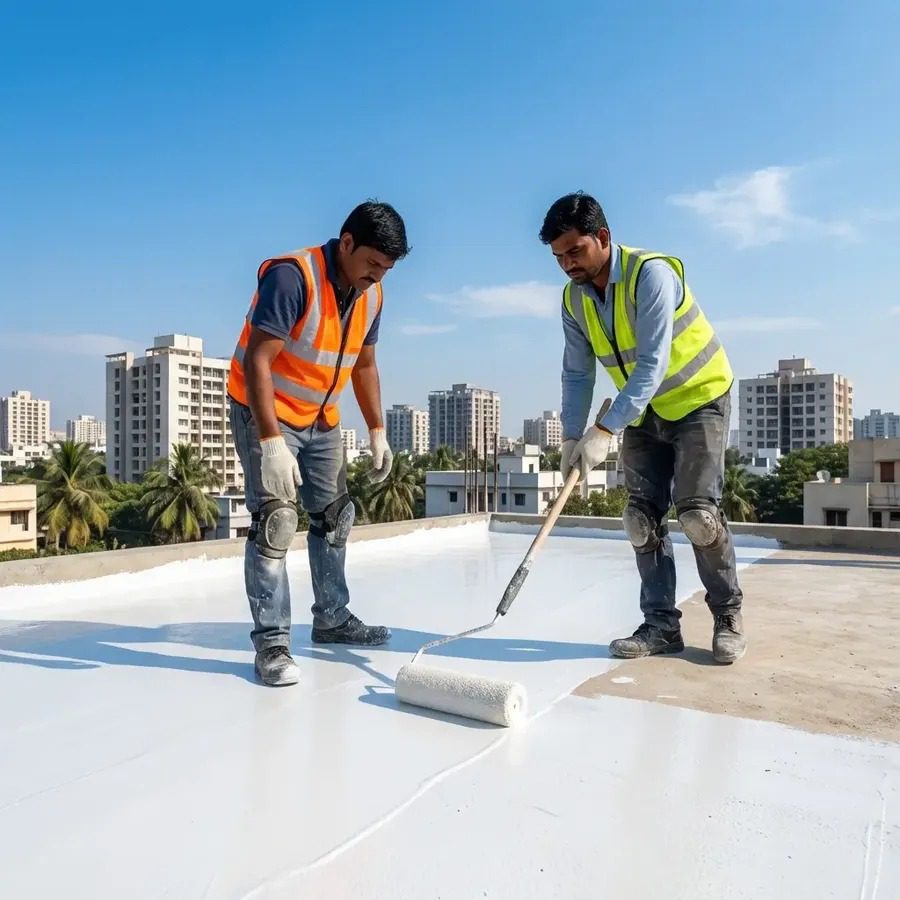
Waterproofing Services in Kochi
Advanced Waterproofing Solutions for Homes, Buildings & Industrial Structures
Water damage is one of the most common causes of structural deterioration in residential, commercial, and industrial buildings. Even a small water leak can weaken foundations, cause mold growth, damage interiors, and reduce the life of a building.
At DJ Maintainance, we provide professional waterproofing services in Kochi designed to protect buildings from moisture penetration, leakage, and structural damage. Our expert team uses advanced waterproofing materials, modern techniques, and industry-approved systems to deliver long-lasting protection for roofs, basements, terraces, bathrooms, and foundations.
Whether you are facing roof leakage, terrace seepage, basement moisture problems, or bathroom water seepage, our customized waterproofing solutions ensure your building remains safe, dry, and durable for years.
Why Waterproofing is Essential for Buildings
Waterproofing is a protective treatment applied to building surfaces to prevent water penetration. Without proper waterproofing, water can seep through concrete, walls, and joints, causing severe damage over time.
Professional building waterproofing services help:
• Prevent roof and terrace leakages
• Protect foundations and structural components
• Avoid mold and dampness inside buildings
• Increase the lifespan of concrete structures
• Reduce maintenance and repair costs
• Improve indoor air quality and comfort
A well-designed waterproofing system acts as a barrier that keeps moisture out and preserves the structural integrity of the building.
Our Professional Waterproofing Services
Roof Waterproofing
Roofs are constantly exposed to rain, sunlight, and temperature changes, making them highly vulnerable to cracks and water leakage.
Our roof waterproofing services include advanced coating systems and membranes that prevent water penetration and extend the lifespan of the roof.
Roof waterproofing solutions include:
• Liquid waterproof membrane systems
• Bitumen membrane waterproofing
• Polyurethane waterproof coating
• Acrylic waterproof roof coating
• Crack filling and joint sealing
• Heat-resistant protective coatings

Terrace Waterproofing
Terraces often develop cracks due to weather exposure and water accumulation. Without proper protection, water slowly penetrates the slab and causes leakage inside the building.
Our terrace waterproofing solutions are designed to seal the surface completely and prevent water seepage.
Terrace waterproofing methods include:
• PU waterproofing membrane
• Cementitious waterproof coating
• Bitumen membrane waterproofing
• Elastomeric waterproof coating
• Tile grouting and crack sealing
These solutions eliminate terrace leakage and protect the building structure from long-term damage.
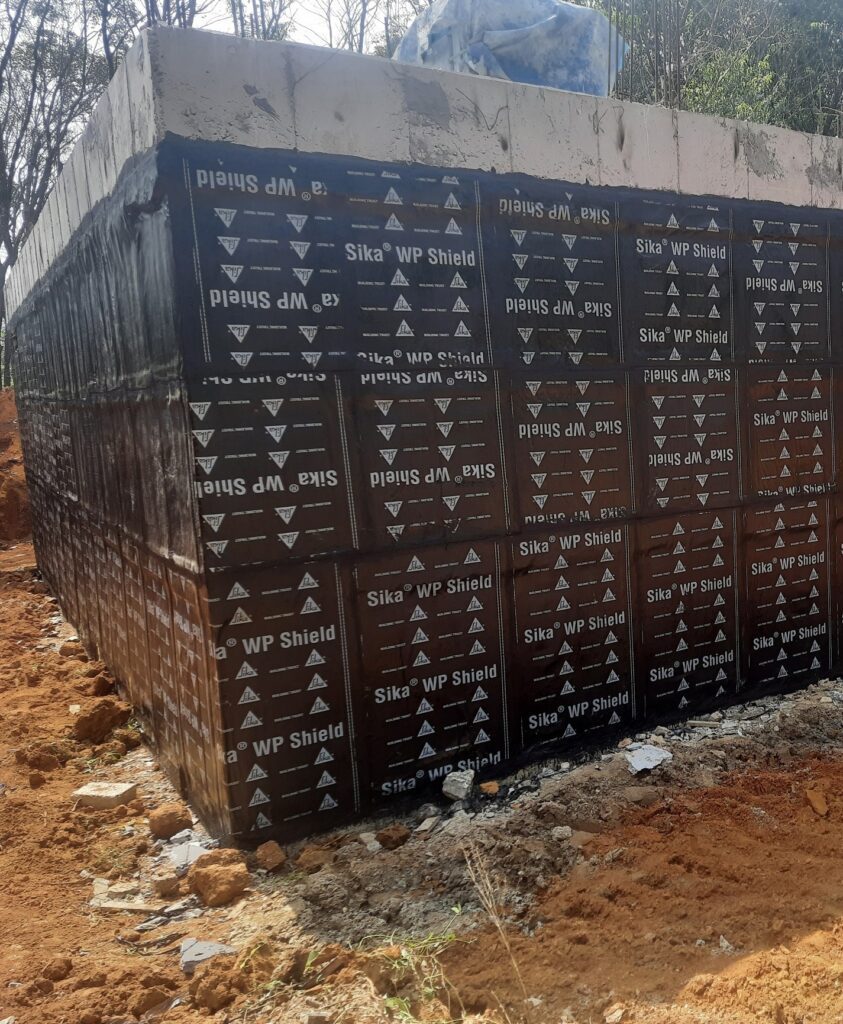
Basement Waterproofing
Basements are highly prone to moisture and groundwater infiltration. Improper waterproofing can lead to damp walls, fungal growth, and structural weakening.
Our basement waterproofing services include both internal and external waterproofing systems designed to block water entry completely.
Basement waterproofing methods:
• Injection waterproofing
• Polyurethane injection grouting
• Cementitious waterproof coatings
• Waterproof membrane installation
• Drainage and sealing systems
These systems create a strong waterproof barrier that protects the foundation of the building.
Bathroom Waterproofing
Bathroom leakage is one of the most common issues in residential buildings. Water can easily penetrate through tile joints, plumbing areas, and cracks in concrete.
Our bathroom waterproofing services prevent water seepage and protect nearby walls, floors, and ceilings.
Bathroom waterproofing includes:
• Waterproof membrane application
• Tile joint sealing and grouting
• Crack repair and sealing
• Cement-based waterproof coating
• Plumbing leakage protection
This ensures complete moisture protection and prevents water damage to surrounding rooms.
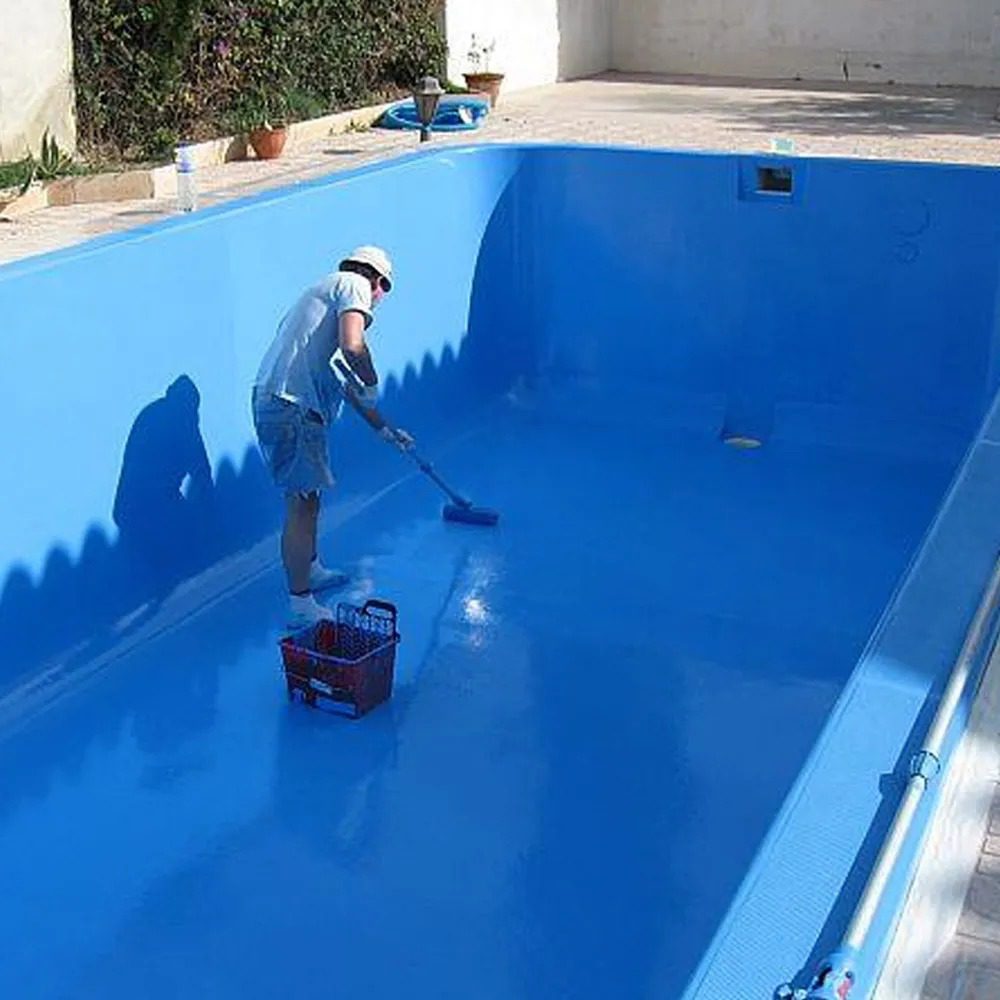
Swimming Pool Waterproofing
Swimming pools require specialized waterproofing systems due to constant water pressure and chemical exposure.
Our pool waterproofing services use high-performance waterproof membranes and coatings designed for long-term durability.
Pool waterproofing systems include:
• Cementitious waterproof coatings
• Flexible waterproof membranes
• PU waterproofing systems
• Joint sealants and crack repair
These systems prevent water leakage and structural deterioration in pools.
Injection Waterproofing
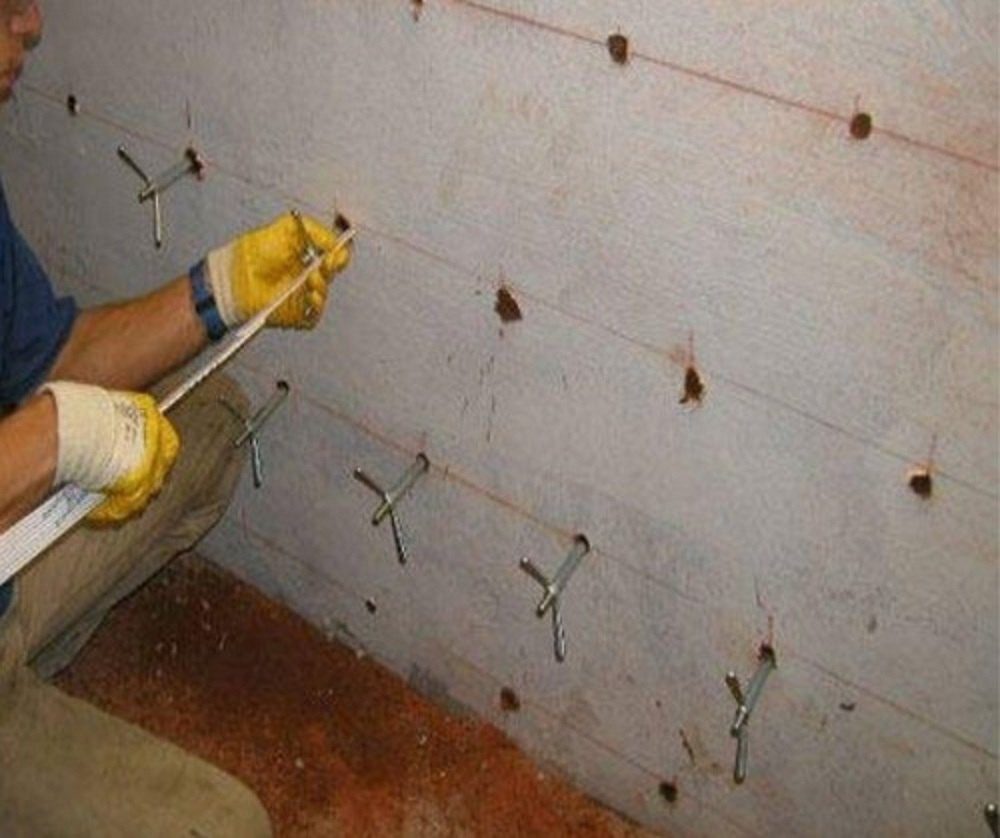
Injection waterproofing is a modern technique used to repair cracks and stop water leakage in existing structures.
This method involves injecting specialized waterproof chemicals into cracks and voids to seal them permanently.
Injection waterproofing is ideal for:
• Basement leakage repair
• Concrete crack sealing
• Water seepage through walls
• Structural leak repair
This method provides a fast and effective solution for existing leakage problems.
Our Waterproofing Process
To ensure long-lasting results, our waterproofing experts follow a systematic process:
1. Site Inspection
Our specialists conduct a detailed inspection to identify the source of water leakage and structural vulnerabilities.
2. Problem Diagnosis
We analyze the cause of leakage such as cracks, joint failure, poor drainage, or structural defects.
3. Solution Planning
Based on the site condition, we design a customized waterproofing system suitable for the structure.
4. Professional Application
Our trained technicians apply high-quality waterproofing materials using industry-approved methods.
5. Quality Testing
We perform water testing and inspections to ensure complete waterproof protection.
Waterproofing Services in Kochi: Causes of Leakage, Solutions and Prevention
Water leakage can gradually damage a building, spoil interior finishes and make living spaces uncomfortable. A damp bedroom wall, water dripping from a ceiling, peeling paint near a window or persistent bathroom seepage may appear to be isolated problems. In many cases, however, these signs indicate that moisture is entering through a roof, terrace, wall, plumbing connection or another part of the building.
For homeowners, apartment residents and property managers in Kochi and Ernakulam, identifying the source of water ingress is an important first step towards choosing the right waterproofing solution. Kerala’s monsoon rainfall makes it particularly useful to inspect roofs, terrace drainage outlets, external walls and areas where rainwater can collect. Even so, not every damp patch is caused by rain. Plumbing leaks, bathroom waterproofing failure, condensation and drainage problems can produce similar symptoms.
Professional waterproofing services in Kochi can help investigate these problems, identify vulnerable areas and determine whether surface preparation, crack repair, a suitable waterproofing treatment or another form of building repair is required.
This guide from DJ Maintenance explains common waterproofing problems, the differences between various treatments, warning signs of water leakage, preventive maintenance and the factors to consider before hiring a waterproofing contractor in Kochi.
Whether you are dealing with roof leakage, terrace seepage, damp walls, bathroom leakage or water entering a building after heavy rain, the most reliable approach begins with understanding the cause rather than covering the visible damage.
Why Waterproofing Matters for Buildings in Kochi
Water can enter a building through several routes. Rain may penetrate a deteriorated roof coating, a crack in an exposed surface, an inadequately sealed joint or a damaged rainwater outlet. In bathrooms and kitchens, leakage may originate from plumbing connections, floor-wall junctions or a failed waterproofing layer beneath the finished surface.
Once moisture reaches building materials, it can affect plaster, paint, ceiling finishes, flooring and, in some situations, components that require specialist structural assessment. Repeated dampness can also create conditions that encourage mould growth where moisture and ventilation conditions allow it.
Waterproofing is not simply the application of a coating over a wet or damaged surface. A suitable solution should account for the source of water, the condition of the substrate, surface preparation, vulnerable joints, drainage and the performance requirements of the area being treated.
The Bureau of Indian Standards discusses waterproofing and damp-proofing materials and the risk of seepage in wet areas such as bathrooms, kitchens and balconies. The BIS National Building Code of India provides broader guidance relevant to building construction and maintenance.
For buildings in Kochi, planned inspections and prompt attention to recurring leaks can help owners identify deterioration before further repair work becomes necessary.
1. Roof Leakage: One of the Most Common Waterproofing Concerns
Roof leakage is a frequent concern for homeowners, particularly when water appears on a ceiling after rain. The visible stain may develop directly below the entry point, but water can also travel along a slab, joint or other building component before appearing indoors.
What causes roof leakage?
Possible causes include cracked or deteriorated waterproofing, defects around pipe penetrations, damaged roof joints, poorly maintained drainage outlets, water ponding and deterioration around parapet walls.
Previous repairs can also fail if the underlying problem was not identified or the new treatment was incompatible with the existing surface.
A roof leak does not automatically mean that the entire roof needs to be recoated. The necessary work depends on the condition of the existing waterproofing, the roof construction, the route of water entry and the extent of deterioration.
How can you identify roof leakage?
Look for recurring ceiling stains, damp patches near roof-level walls, peeling paint on upper floors and water appearing after rain. Check whether the symptoms occur at one location or across multiple rooms, and note whether the problem follows particular weather conditions.
These observations can help a contractor decide which areas need attention. They cannot, on their own, confirm the precise source of leakage.
What is the right solution?
Depending on the findings, the work may involve repairing a specific junction, treating compatible cracks, restoring drainage, renewing a damaged waterproofing layer or undertaking more extensive roof treatment.
A suitable inspection should consider the exposed roof surface, wall junctions, outlets and penetrations rather than focusing only on the stain visible inside the building.
If you need roof leakage repair in Kochi, request an explanation of the suspected source, the proposed treatment and the preparation required before work begins.
2. Terrace Waterproofing for Homes and Apartment Buildings
Terraces are exposed to rain, sunlight and changes in temperature. The surface may also contain water tanks, solar equipment, pipes, parapet walls and other installations that create joints or penetrations requiring careful attention.
Terrace waterproofing helps limit water entry through an appropriately designed and installed protective system. Its effectiveness depends on selecting a suitable method for the roof construction and preparing the surface correctly.
Common terrace waterproofing problems
Water can collect in low areas where drainage is inadequate. Cracks may develop in surface layers, joints may deteriorate, and installations added after the original waterproofing work can disturb the protective treatment.
A coating applied without removing unsuitable material or repairing significant defects may not solve the underlying problem.
What should a terrace inspection cover?
A proper assessment should consider:
The condition of the existing waterproofing layer.
Surface cracks and defective joints.
The slope towards rainwater outlets.
Areas where water remains after rainfall.
Junctions between the roof slab and parapet walls.
Pipe penetrations and other roof installations.
Existing coatings and whether a new treatment can bond appropriately.
These points are important because water may enter through a vulnerable joint even when most of the terrace surface appears intact.
Choosing a terrace waterproofing treatment
Depending on the construction and condition of the roof, options may include compatible liquid-applied systems, cementitious treatments, membrane systems or another specified waterproofing method.
No single product is appropriate for every roof. The chosen system must suit the substrate, exposure, drainage requirements and intended use of the terrace.
For larger roofs or buildings with recurring leakage, ask the contractor to document the surface preparation, detailing method and testing or inspection procedure included in the work.
Terrace waterproofing in Kochi should be planned around the actual roof conditions rather than selected solely on the basis of an advertised price per square foot.
3. Bathroom Waterproofing and Floor Leakage
Bathrooms are wet areas where repeated water exposure makes effective waterproofing especially important. Leakage can appear in the bathroom itself or become visible on a ceiling, wall or neighbouring room below.
Why do bathrooms develop leakage?
Possible causes include a damaged waterproofing layer, defective floor-wall junctions, leaking water supply or waste pipes, failed seals around fittings, poorly treated penetrations and damaged grout or finishing materials.
It is important to distinguish between defective grout and failure of the underlying waterproofing system. Water entering a joint in the finished surface does not always mean that the entire waterproofing layer has failed. Conversely, fresh grout or sealant will not necessarily solve a defect beneath the tiles.
Warning signs to watch for
Common signs include dampness on the ceiling below a bathroom, peeling paint near bathroom walls, recurring wet patches, water appearing outside the shower area or persistent leakage around plumbing fixtures.
If the problem affects a neighbouring apartment, coordinate with the building manager and identify whether the likely source is inside the bathroom, a shared pipe or another part of the building.
What does bathroom waterproofing involve?
The appropriate repair may require inspection of plumbing connections, removal of affected finishes, preparation of the substrate, repair of defects and installation or restoration of a suitable waterproofing system.
Floor-wall junctions, pipe penetrations and drainage details should be treated according to the selected system. Where tiling must be removed, the quotation should explain whether tile reinstatement, grouting and other finishing work are included.
For new bathroom construction or renovation, waterproofing should be planned before the final floor and wall finishes are installed.
If bathroom leakage keeps returning after surface repairs, a more thorough investigation can help determine whether the problem originates in the waterproofing layer, plumbing or another component.
4. Damp Walls, Peeling Paint and White Deposits
Damp walls are a common reason property owners search for waterproofing contractors. The visible symptoms may include peeling paint, blistering, powdery deposits, discoloured plaster and patches that remain damp long after the surrounding surface has dried.
However, dampness has multiple possible causes, so it is important not to assume that every affected wall requires the same treatment.
What can cause damp walls?
Rainwater may penetrate an external wall through cracks or deteriorated joints. Plumbing pipes may leak inside a wall, while moisture may rise from the ground where damp-proofing is absent, damaged or ineffective. Water may also enter at roof-wall junctions or around windows.
Condensation can create moisture on cooler surfaces, particularly where ventilation is inadequate. Its symptoms may resemble water ingress even though the remedy is different.
White, powdery deposits on masonry may be associated with salts carried by moisture. They should be investigated alongside the pattern of dampness, not treated as proof of a particular leak source.
Why repainting may not work
A fresh coat of paint can improve appearance temporarily, but it will not stop water from entering through a damaged external surface or leaking pipe. Some decorative coatings can also conceal symptoms while the underlying moisture problem continues.
Before repainting, determine why the surface is damp and allow appropriate drying and preparation after the source has been addressed.
What treatment may be required?
The solution depends on the cause. It may involve exterior wall waterproofing, a roof-junction repair, plumbing repairs, damp-proofing work, improved ventilation or another targeted building repair.
Where dampness is extensive, recurrent or accompanied by deteriorating masonry, arrange a more comprehensive assessment before applying a coating.
Professional waterproofing services can help identify the appropriate treatment and reduce the risk of spending money on a cosmetic repair that leaves the source unchanged.
5. Exterior Wall Waterproofing and Rainwater Ingress
External walls are exposed to wind-driven rain, temperature changes and the gradual deterioration of finishes. Cracks, poorly sealed openings, defective joints and damaged render can create possible routes for moisture.
Water may then appear indoors as damp patches, peeling paint or deterioration around windows and corners.
Where should an external wall be inspected?
An inspection may consider cracks in plaster, junctions around windows and doors, pipe entries, balconies, parapets and the connection between the wall and roof.
Look for patterns in the symptoms. For example, a damp patch that appears mainly after wind-driven rain may warrant attention to the exposed wall or nearby joints. A wet patch that persists regardless of the weather may have another cause, including plumbing leakage.
This is a useful diagnostic clue, not a substitute for an inspection.
Selecting the right exterior wall treatment
Depending on the substrate and source of water, treatment may involve repairing defective joints, addressing cracks, restoring damaged plaster, sealing suitable penetrations or applying a compatible protective coating.
The wall must be prepared correctly, and the selected material must be suitable for the surface and its exposure conditions. Covering loose or deteriorated material without addressing it can undermine the work.
Where significant cracks, displacement or possible structural movement are present, obtain an appropriate building or structural assessment before treating them as ordinary surface defects.
Exterior wall waterproofing in Kochi should focus on water entry routes and the condition of the wall, rather than relying on a uniform coating regardless of the underlying problem.
6. Balcony, Window and Door Leakage
Balconies, windows and external doors include junctions where water may enter if the seals, flashing, drainage or adjacent finishes deteriorate.
A balcony can develop leakage where the floor meets the wall, at a damaged joint or where water does not drain as intended. Around windows, water may enter through a poorly sealed frame, cracks in adjacent masonry or a defective sill detail.
Common warning signs
Watch for dampness around window frames, peeling paint beside an opening, water collecting along balcony edges, leakage on the ceiling below a balcony and recurring wet patches after rain.
The location of the visible damage can help guide the inspection, but water can travel behind finishes before appearing indoors.
How can the problem be addressed?
The suitable repair may involve correcting drainage, replacing defective sealant, repairing a joint, treating the substrate or restoring waterproofing beneath a balcony finish.
Simply applying silicone over every visible joint is not a reliable universal solution. Sealant must be suitable for the joint, substrate and expected movement, and the underlying detail must be sound.
For balconies with recurring leakage into the floor below, ask for the source and proposed repair to be documented before the work is authorised.
7. Basement, Foundation and Ground-Level Dampness
Some buildings experience moisture around ground-level walls, basements, retaining walls or the areas close to their foundations. The cause may involve groundwater, rainwater accumulation, defective drainage, water entering through below-ground walls or a damaged supply pipe.
These conditions can be more complicated than a surface roof leak because the source may be concealed and water pressure or ground conditions can affect the appropriate treatment.
Signs that require attention
Warning signs include persistent dampness near floor level, deterioration of finishes at the bottom of walls, recurring water entry after rain and moisture affecting stored materials in a basement.
Before selecting a treatment, investigate surface drainage, water supply connections, nearby downpipes and the pattern of moisture. A damp-proofing or waterproofing system must be appropriate for the actual condition.
Why a surface coating may be insufficient
Applying a coating to an internal wall may reduce the visible symptoms temporarily, but it does not necessarily prevent water entering from the outside.
Depending on the construction and cause, the solution could require improved drainage, correction of a defective pipe, specialist damp-proofing or an appropriately designed waterproofing system.
If leakage affects a below-ground structure or appears to be widespread, use a contractor with relevant experience and seek a specialist building assessment where necessary.
8. Common Waterproofing Methods and How to Choose Between Them
Waterproofing materials are designed for different applications. The correct choice depends on the substrate, exposure, existing finishes, movement, drainage and the type of water ingress.
Liquid-applied waterproofing systems
These systems are applied to a prepared surface and form a continuous protective layer when installed according to the product specification.
Their suitability depends on the material, substrate, curing requirements, exposure and any protective layer required above the coating. Surface cleanliness and compatible detailing are important.
Cementitious waterproofing
Cement-based systems are used in selected applications, including certain wet areas and masonry or concrete surfaces. Their suitability depends on the particular system, substrate condition and exposure.
A cementitious product should not automatically be assumed to be appropriate for every exposed terrace or moving joint.
Waterproofing membranes
Membrane systems create a continuous barrier using specified sheet or applied materials. They may be appropriate for certain roof, terrace and other building applications.
Joint treatment, laps, terminations and penetrations are particularly important. A membrane that is punctured or poorly detailed around an installation may no longer perform as intended.
Bituminous waterproofing systems
Bituminous materials are used in selected waterproofing and damp-proofing applications. The correct formulation and installation method depend on the construction, substrate, exposure and project requirements.
How should you choose?
Ask the contractor to explain why the proposed system suits your roof, wall, bathroom or other affected area. Request details about surface preparation, crack and joint treatment, application conditions, curing, protection and inspection.
Avoid selecting a system solely because it is described as the strongest or most advanced. Waterproofing performance depends on the suitability of the system and the quality of the completed work.
For additional technical context, consult the BIS references on waterproofing and damp-proofing and the Indian Railways’ technical guideline on waterproofing in new and existing construction.
9. The Professional Waterproofing Process: What Should Be Included?
Although the exact procedure varies by project, a properly scoped waterproofing job should follow a logical sequence.
Step 1: Inspect the symptoms and likely source. The contractor should understand where water appears, when it occurs and what areas may be connected to the problem.
Step 2: Assess the existing surface. The condition of the substrate, old coatings, cracks, joints and drainage should be considered before selecting a system.
Step 3: Explain the proposed method. The property owner should understand why the treatment is suitable and what limitations or additional repairs may apply.
Step 4: Prepare the surface. Work may involve cleaning, removing unsuitable material, repairing defects and preparing the substrate as specified for the selected system.
Step 5: Treat vulnerable details. Junctions, corners, pipe penetrations, outlets and other vulnerable areas require appropriate detailing for the chosen method.
Step 6: Apply the system correctly. Product specifications should be followed for application, coverage, curing and any required protective finish.
Step 7: Inspect and test where appropriate. The method of checking the completed work should suit the surface and waterproofing system. Flood testing is not appropriate for every structure and must be planned safely where required.
Step 8: Explain maintenance requirements. The owner should understand what can damage the system and how to avoid unnecessary penetrations or alterations after completion.
For larger projects, ask for the scope, material specifications, exclusions and inspection arrangements in writing.
10. Waterproofing Maintenance Before and During the Monsoon
Preventive maintenance can help identify vulnerable areas before heavy rainfall. It cannot eliminate all leakage risks, but it can reduce the chance of avoidable problems going unnoticed.
The CPWD Maintenance Manual recommends periodic inspection of roofs, rainwater outlets, parapet-related details, roof waterproofing and areas affected by leakage or seepage. Its maintenance guidance also highlights cleaning roof drainage points before the monsoon. See the CPWD Maintenance Manual.
Practical maintenance steps include:
Keep accessible roof drainage outlets clear of leaves and debris.
Check for visible deterioration of roof and terrace finishes.
Inspect parapet junctions and accessible roof penetrations.
Look for recurring stains on ceilings and upper-floor walls.
Pay attention to dampness near bathrooms and plumbing connections.
Repair defective rainwater pipes and connections.
Record recurring leakage so a contractor can compare symptoms over time.
Avoid drilling, cutting or fixing equipment through waterproofed surfaces without checking how the waterproofing will be protected.
Do not walk on a wet, slippery or unsafe roof to conduct an inspection. Use suitable professional assistance where access is hazardous.
After significant rain, observe any newly affected areas from a safe position and arrange an assessment if water is entering the building.
11. How Much Does Waterproofing Cost in Kochi?
Waterproofing costs vary according to the area, substrate condition, access, chosen system, preparation required and whether existing finishes must be removed or reinstated.
A small repair to a defective joint is different from a full terrace treatment. A bathroom leak that requires plumbing investigation and tile removal may involve more work than an accessible surface repair.
There is no single price per square foot that accurately represents every project.
Before approving a quotation, ask about:
The area included in the work.
The proposed waterproofing system and material specifications.
Surface preparation and crack or joint repairs.
The number of coats or layers and application requirements.
Curing, inspection and testing procedures.
Tile removal, reinstatement or protective finishing, if required.
Access arrangements, debris removal and disposal.
Warranty terms, exclusions and maintenance requirements, if offered.
For larger projects, request a written quotation with a clear scope. Compare competing quotations on the same basis, including materials and preparation rather than only the final price.
Be cautious about claims that every leak can be permanently fixed with one coat or that one product works equally well on every surface. A proper recommendation should be based on the actual condition and likely source of water entry.
If you are considering waterproofing services in Kochi, discuss the affected area, visible symptoms and required work with DJ Maintenance. Confirm the service coverage, proposed method and quotation before proceeding.
12. How to Choose a Waterproofing Contractor in Kochi
Choosing a suitable contractor is an important part of protecting a property from recurring water damage. A low initial quote may be attractive, but a treatment that ignores the source of leakage can result in repeated expense.
Look for relevant project experience
Ask whether the contractor has experience with the particular application, such as terrace waterproofing, bathroom leakage, exterior wall treatment or damp-proofing.
A contractor familiar with the type of surface being treated may be better placed to explain the likely preparation and detailing requirements. Ask for genuine examples of comparable work where available.
Request a clear diagnosis
The contractor should explain the suspected source of leakage and what needs to be checked before the method is finalised.
If the source is uncertain, ask what additional inspection may be necessary. Be wary of a quotation that promises a complete solution without considering obvious alternative causes.
Understand the work scope
The quotation should identify the area to be treated, the materials or system proposed, the surface preparation, treatment of joints and penetrations, and the finishing work included.
Ask what happens if additional damage becomes visible during preparation.
Clarify guarantees and maintenance
Any warranty or guarantee should be provided in writing, with its duration, coverage, exclusions and maintenance conditions. Do not assume that a verbal promise means all future leakage will be covered.
The expected performance of a waterproofing system also depends on subsequent alterations, physical damage, drainage maintenance and the condition of the building.
Contact DJ Maintenance
If you are searching for a waterproofing contractor in Kochi, use the DJ Maintenance Waterproofing Service page to discuss your requirement and confirm the work and locations covered.
Provide information about the affected area, when the leakage occurs and whether earlier repairs have been attempted. These details can help clarify the next steps before a quotation is prepared.
Frequently Asked Questions About Waterproofing Services in Kochi
1. What are the common signs that a house needs waterproofing?
Common signs include recurring ceiling stains after rain, damp walls, peeling paint, water entering through terrace or balcony areas, and persistent leakage around wet areas. These symptoms can also indicate plumbing faults or condensation, so identifying the source is important before choosing a treatment.
2. What is the best waterproofing solution for a terrace in Kochi?
The appropriate solution depends on the terrace construction, existing waterproofing, surface condition, drainage and type of leakage. Liquid-applied systems, membranes and other treatments may be suitable in different situations. An inspection should establish the requirements before a system is selected.
3. How do I fix roof leakage during heavy rain?
If water is entering the building, protect people and belongings where safe, keep away from wet electrical equipment and arrange an inspection. Do not climb onto a wet roof or apply products in unsafe conditions. A lasting repair requires identifying the source and choosing a suitable treatment once conditions allow.
4. Can waterproofing solve damp walls and peeling paint?
It can help when water ingress through the relevant wall or junction is the cause. However, dampness may also result from plumbing leakage, rising moisture or condensation. Diagnose the cause first, then allow appropriate drying and surface preparation before reinstating the finishes.
5. Is bathroom leakage always caused by failed waterproofing?
No. Bathroom leakage may result from defective plumbing, waste-pipe connections, seals, joints or the underlying waterproofing layer. An inspection can help distinguish these problems and determine whether a plumbing repair, surface repair or more extensive treatment is necessary.
6. How much does waterproofing cost in Kochi?
The cost depends on the area, surface condition, waterproofing method, access, preparation, finishing requirements and any additional repairs. Ask for a written quotation detailing the proposed system and the work included rather than relying only on an advertised square-foot rate.
7. How can I prevent terrace leakage before the monsoon?
Keep accessible rainwater outlets clear, inspect visible cracks and deteriorated junctions, check for recurring damp patches and avoid damaging the waterproofing layer with new installations. Arrange repairs before heavy rain where possible, and avoid unsafe roof access.
8. How do I choose a waterproofing contractor in Kochi?
Look for relevant experience, a clear explanation of the suspected leakage source, a defined scope of work and appropriate material specifications. Clarify preparation, inspections, exclusions and any warranty terms in writing before approving the job.
9. Can waterproofing be applied over existing tiles?
Suitability depends on the existing tile surface, adhesion, joints, drainage and the selected product system. Some systems may work over particular prepared surfaces, while others require removing finishes. Ask the contractor to confirm compatibility instead of assuming any coating will bond correctly.
10. Does DJ Maintenance offer waterproofing services in Kochi?
DJ Maintenance has a dedicated waterproofing service page. Contact the business to confirm whether your location and particular work are covered, discuss the leakage symptoms and request details of the proposed treatment and quotation.
Conclusion: Identify the Source Before Choosing a Waterproofing Solution
Water leakage can affect terraces, roofs, bathrooms, balconies, exterior walls and other areas of a building. Although the visible symptoms may look similar, the causes can be very different.
A successful waterproofing project begins with identifying the likely source, assessing the surface and selecting a treatment appropriate to the building. Correct preparation, suitable detailing, drainage and careful application are important parts of the work.
For property owners seeking waterproofing services in Kochi, responding to early warning signs and arranging the right inspection can help avoid repeated cosmetic repairs and unnecessary expenditure.
If you are experiencing terrace seepage, roof leakage, bathroom water ingress or damp walls, visit the DJ Maintenance Waterproofing Service in Kochi page to discuss the requirement and confirm the services available.
DJ Maintenance | Waterproofing Services in Kochi
Understand the cause, choose a suitable treatment and plan the repair around the actual condition of your building.
Further technical reading