

Professional Tile Work Services in Kochi
Expert Floor and Wall Tiling Solutions for Homes and Commercial Buildings
Tiles play a major role in both the appearance and durability of a building. Professionally installed tiles enhance the beauty of interiors, protect surfaces from moisture, and create long-lasting flooring and wall finishes.
At DJ Maintenance , we provide professional tile work services in Kochi for residential homes, apartments, commercial buildings, and industrial spaces. Our experienced tile specialists deliver precise tile installation using advanced tools and high-quality materials to ensure durability, symmetry, and a flawless finish.
Whether you are building a new home, renovating an existing space, or upgrading interiors, our tile installation services provide the perfect combination of design, strength, and long-term performance.
Why Professional Tile Work is Important
Tile installation requires accuracy, proper surface preparation, and the right adhesives to ensure durability and long-lasting results.
Professional tile work services offer several benefits:
• Enhances the aesthetic appeal of floors and walls
• Provides moisture-resistant and easy-to-clean surfaces
• Improves durability and structural strength
• Prevents tile cracks, uneven surfaces, and water seepage
• Increases the overall value of your property
With expert installation, tiles remain strong, level, and visually attractive for many years.

Floor Tiling Services
Floor tiles create a strong and stylish foundation for residential and commercial interiors. Our floor tiling services ensure precise installation with perfect alignment and smooth finishing.
Our floor tile services include:
• Living room floor tile installation
• Bedroom floor tiling
• Kitchen floor tiling
• Commercial flooring tile installation
• Office floor tiling
• Balcony and terrace floor tiles
We install ceramic tiles, vitrified tiles, porcelain tiles, granite tiles, and designer flooring tiles based on project
Wall Tiling Services
Wall tiles add elegance and protection to interior spaces. Our wall tiling services ensure clean lines, strong bonding, and accurate placement for visually appealing walls.
Wall tile services include:
• Bathroom wall tile installation
• Kitchen wall tiles and backsplash
• Decorative wall tiling
• Shower area tiling
• Feature wall tile design
Proper tile alignment and grouting ensure both durability and aesthetic beauty.


Bathroom Tile Work
Bathrooms require special attention during tile installation because they are constantly exposed to water and humidity.
Our bathroom tile work services include:
• Bathroom floor tile installation
• Shower area tiling
• Anti-slip bathroom tiles
• Waterproof tile installation
• Tile joint sealing and grouting
These solutions prevent water seepage while maintaining a clean and modern bathroom design.
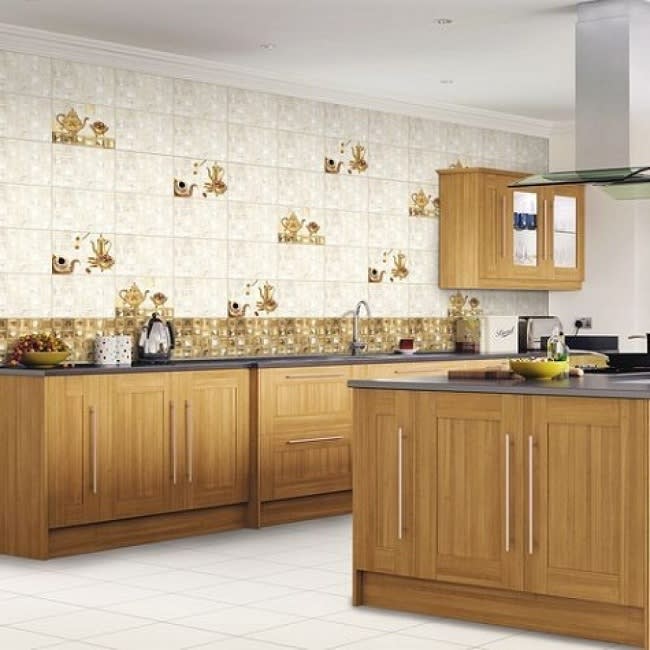
Kitchen Tile Installation
Kitchen walls and floors must be durable, heat-resistant, and easy to clean. Our kitchen tile installation services ensure strong, hygienic, and stylish surfaces.
Kitchen tile services include:
• Kitchen floor tiling
• Kitchen wall tiles
• Backsplash tile installation
• Heat-resistant and stain-resistant tiles
• Decorative kitchen tile designs
These tiles enhance both functionality and visual appeal in modern kitchens.

Outdoor and Exterior Tile Work
Exterior areas require durable tiles that can withstand weather exposure, moisture, and temperature changes.
Our outdoor tile work services include:
• Balcony tile installation
• Terrace floor tiles
• Parking area tile work
• Outdoor walkway tiling
• Garden and landscape tile work
We use weather-resistant tiles that maintain strength and appearance over time.
Our Tile Installation Process
To ensure durable and visually perfect results, we follow a structured tile installation process.
1. Surface Preparation
We prepare the surface by cleaning, leveling, and repairing any cracks or uneven areas.
2. Layout Planning
Our experts carefully measure and plan the tile layout to ensure symmetry and minimal tile cutting.
3. Adhesive Application
High-quality tile adhesives are applied to create strong bonding and prevent tile loosening.
4. Tile Installation
Tiles are placed precisely with proper spacing and alignment.
5. Grouting and Finishing
Grout is applied to seal joints and create a smooth, durable finish.
Tile Work in Kochi: A Complete Guide to Floor and Wall Tile Installation
Tiles are an important part of the appearance, practicality and maintenance of a building. From living room floors and bedroom flooring to kitchen backsplashes, bathroom walls, balconies and outdoor walkways, the right tiles can create an attractive and functional finish.
However, a successful tiling project involves more than selecting an attractive design. Surface preparation, tile selection, layout planning, adhesive compatibility, joint spacing, grouting and finishing all contribute to the quality of the result.
For homeowners, apartment residents and property managers in Kochi and Ernakulam, choosing a suitable tile contractor is especially important when planning a new house, renovating a bathroom, replacing damaged flooring or upgrading a commercial property.
Professional tile installation in Kochi should begin with understanding the area, the condition of the underlying surface and the intended use of the finished space. A bathroom floor has different requirements from a bedroom, just as an exposed balcony has different requirements from an indoor living room.
This guide from DJ Maintenance explains the major types of tiles, where they can be used, how tile installation works, common tiling problems, maintenance considerations and what to discuss before hiring a tile work contractor in Kochi.
Whether you are planning new floor tiling, kitchen wall tiles, bathroom renovation, balcony tiling or replacement of damaged tiles, the information below can help you plan the work more confidently.
Why Professional Tile Work Matters
Tiles provide a durable and practical surface when the materials and installation method are appropriate for the application. They are available in different sizes, colours, textures, finishes and performance categories, making them suitable for many residential and commercial projects.
However, attractive tiles can still produce a disappointing result if the base is uneven, the layout is poorly planned or the installation materials are unsuitable.
Common installation problems include uneven tile levels, irregular joint widths, lippage between adjacent tiles, hollow-sounding areas, cracked tiles and deteriorating grout. Some defects relate to workmanship, while others may involve movement, moisture, substrate problems or the suitability of the materials.
Professional tile work includes planning the layout, preparing the base, selecting compatible installation materials and checking the finished surface.
The Bureau of Indian Standards publishes product specifications for pressed ceramic tiles, including IS 15622:2017. Product standards help define tile requirements, but choosing a suitable tile for a particular room also requires considering its intended use and the manufacturer’s guidance. BIS standard information.
For property owners, the objective is to achieve a finish that suits the building, performs appropriately in the intended location and remains practical to maintain.
1. Floor Tile Installation in Kochi
Floor tiling is commonly used in living rooms, bedrooms, kitchens, bathrooms, corridors, offices and commercial interiors. The right choice depends on the room’s use, foot traffic, exposure to moisture, desired appearance and maintenance requirements.
Living room floor tiles
The living room is often one of the most visible areas of a home. Large-format tiles can create a spacious visual effect when the room dimensions, tile layout and substrate are suitable.
Neutral shades such as beige, grey and off-white are popular options, while stone-look and wood-look tiles provide alternative designs.
Before selecting a large tile, consider the size of the room, the number of cuts required, the condition of the floor and the availability of matching tiles for future repairs.
Bedroom floor tiles
Bedroom flooring should complement the furniture, lighting and overall interior design.
Vitrified, porcelain and ceramic tiles may all be suitable in particular circumstances, depending on the product specifications and intended use. Check the manufacturer’s recommendations rather than selecting a tile based on appearance alone.
Consider the finish and the ease of cleaning, particularly in rooms used by children or older residents.
Kitchen floor tiles
Kitchen floors are exposed to spills, food residue and repeated cleaning. Choose a floor tile suitable for the application and consider how its surface behaves when wet or greasy.
A highly polished finish may look attractive but may not be the best choice for every kitchen environment. Product information and suitability for the intended use should guide the decision.
The floor should also be installed with attention to levels, transitions and the junctions between tiled surfaces and other finishes.
Commercial floor tiling
Offices, shops, reception areas and other commercial premises may experience more foot traffic than a typical home.
The selected tile should be appropriate for the expected loading, cleaning routine and traffic conditions. Installation planning should account for entrances, thresholds, furniture, access requirements and the timing of the work.
For larger spaces, consistent layout planning can help reduce uneven cuts and make the finished floor look more coordinated.
2. Wall Tile Installation and Decorative Tiling
Wall tiles can protect suitable surfaces and provide a decorative finish in kitchens, bathrooms, shower areas and feature walls.
Unlike floor tiles, wall tiles are not selected primarily for foot traffic. Their weight, installation method, substrate and intended exposure must still be considered.
Bathroom wall tiles
Bathroom wall tiling creates a practical surface around washbasins, shower areas and other locations exposed to water.
The tile selection should suit the area, while installation materials must be compatible with the tile and substrate.
Where waterproofing is required, it should be designed as part of the underlying system. Tile grout alone should not be treated as a substitute for a properly designed waterproofing layer.
Kitchen wall tiles and backsplashes
Kitchen backsplashes help protect the wall behind worktops and around cooking areas. They also offer an opportunity to introduce colour, patterns or a contrasting finish.
Before installation, plan the positions of electrical sockets, cabinets, appliances and countertop edges. This helps reduce awkward cuts and unnecessary rework.
The surface behind the tiles should be suitable for the installation system, and any plumbing or electrical alterations should be completed and checked at the appropriate stage.
Feature wall tiles
Decorative wall tiles can create a focal point in a living room, entrance, reception area or selected bedroom wall.
Stone-look surfaces, patterned tiles and other decorative designs can complement a room’s existing finishes.
Ask the contractor to plan the layout before installation, particularly where the design contains repeating patterns, contrasting borders or directional elements.
3. Bathroom Tile Work and Wet-Area Preparation
Bathrooms require careful planning because floors and walls are regularly exposed to water. Poor detailing can contribute to water leakage, deteriorating joints or damage to adjacent finishes.
Choosing bathroom floor tiles
The bathroom floor should use a product suitable for the intended wet-area application.
Consider surface texture, cleaning requirements and slip resistance rather than relying entirely on colour or appearance. The appropriate choice depends on the product’s properties and the conditions in which it will be used.
Large, glossy tiles are not automatically suitable for every bathroom floor. Review the manufacturer’s recommendations and, where necessary, obtain professional advice about the intended use.
Preparing the bathroom floor
Before tiling, inspect the substrate for cracks, loose material, unevenness and other defects that may affect the installation.
Bathrooms may also require waterproofing before the final tiles are installed. The waterproofing method, junction details and testing arrangements should be planned before the surface is concealed.
If an existing bathroom is leaking into the room below, do not assume that replacing the grout will solve the issue. The source may be a plumbing leak, failed waterproofing, defective drainage or another problem that needs separate investigation.
Drainage and floor levels
Bathroom floor levels and drainage arrangements should be coordinated before tile installation.
The finished surface must suit the intended drainage layout, and the floor should not create unintended water collection areas. The precise arrangement depends on the bathroom design and the applicable installation requirements.
Discuss the positions of floor drains, shower areas, thresholds and other transitions before work begins.
Grouting and sealing
Grout fills the joints between tiles and contributes to the finish of the tiled surface. The selected grout must be compatible with the tile, joint width and area of use.
Certain joints and movement locations may need a suitable flexible sealant rather than ordinary grout. Follow the material manufacturer’s instructions.
Correct grouting can help maintain the tiled surface, but it does not remove the need for suitable waterproofing underneath where the construction requires it.
4. Kitchen Tile Installation
Kitchens combine flooring, wall surfaces, plumbing connections, cabinets and electrical equipment. Tile work should be planned around these elements so the finished surface is practical and visually coordinated.
Kitchen floor tiling
A suitable kitchen floor tile should be chosen with cleaning, traction, durability and the expected level of use in mind.
The underlying surface must be prepared properly, and tile transitions should be considered where the kitchen meets other rooms.
Before installation, confirm the position of cabinets and appliances where this affects the visible floor area or the installation sequence.
Kitchen backsplash installation
A backsplash protects selected wall areas from splashes and food residue. It may use ceramic tiles, porcelain tiles or other suitable products.
The layout should consider countertop height, cabinet edges, sockets and visible cuts. In many kitchens, careful layout planning makes a noticeable difference to the finished appearance.
Tile size and pattern
Small tiles may suit intricate layouts or areas with many edges, while larger formats can create a more continuous appearance where the surface permits them.
The best option depends on the room dimensions, tile specifications, base condition and layout requirements.
Request a proposed layout before installation if the design includes decorative borders, patterned tiles or prominent alignment points.
5. Balcony, Terrace and Outdoor Tile Work
Balconies, terraces, external walkways and parking areas are exposed to different conditions from indoor rooms. Rainwater, sunlight, temperature changes and water drainage can affect the installation.
Selecting outdoor floor tiles
An outdoor tile should be suitable for its intended exposure, the expected traffic and the surface conditions.
The product specification should be reviewed for the proposed use. Tile texture, slip resistance and maintenance are particularly important in locations that may become wet.
Do not assume that a tile suitable for an indoor living room is automatically appropriate for an exposed balcony or terrace.
Drainage and waterproofing
Exterior tiled areas need appropriate drainage and, where required, a suitable waterproofing system beneath the finished surface.
Correct surface falls, drainage outlets, waterproofing details and the junctions around walls and penetrations should be planned before tiling.
If a terrace is already leaking, installing new tiles over the existing surface without identifying the source can conceal the problem rather than resolve it.
Movement joints
Outdoor tile installations experience changes associated with temperature and moisture. Movement joints are used in appropriate locations to help accommodate movement and reduce stress on the tiled assembly.
The Tile Association’s guidance explains the importance of movement joints in external floor tiling and how movement can contribute to cracking, loss of adhesion or bulging when not properly accommodated. External floor tiling guidance.
The appropriate joint design and placement depend on the installation and should be planned rather than improvised after the tiles are laid.
Parking and walkway tiling
Parking areas and external walkways may experience concentrated loads and frequent water exposure. The tile or paving product must be suitable for the intended application.
Consider the vehicle loads, surface drainage, base construction and installation system before choosing a finish.
Where an area is intended for vehicles, verify that the selected material and installation are designed for that use rather than relying on appearance alone.
6. Ceramic, Vitrified, Porcelain and Other Tile Options
Tile materials differ in composition, manufacturing characteristics, appearance and intended applications. These terms should not be treated as interchangeable without checking the specific product.
Ceramic tiles
Ceramic tiles are available in many colours, sizes and decorative styles. They can be suitable for various wall and floor applications when the particular product meets the requirements of the location.
Check the product’s intended use, dimensions, surface characteristics and installation instructions before purchasing.
Vitrified tiles
Vitrified tiles are used in many residential and commercial floor installations. Product properties vary, so suitability should be assessed against the intended traffic and environmental conditions.
Choose a finish that fits the room’s use and maintenance requirements, and ensure the tile format is compatible with the substrate and installation method.
Porcelain tiles
Porcelain tiles are a category of ceramic tile commonly selected for particular floor and wall applications. Their suitability depends on the product specification and intended location.
Large or heavy formats may require careful handling, appropriate equipment and a compatible installation system.
Natural stone and granite
Natural stone products have different characteristics from manufactured ceramic tiles. Their appearance, porosity, finishing requirements and maintenance needs depend on the stone.
Some products may require specific installation materials or sealing. Confirm the supplier’s maintenance advice and the contractor’s plan before installation.
How should you choose?
Start with the intended application rather than the colour alone.
Compare product suitability, surface finish, maintenance requirements, dimensions and the conditions in which the tiles will be installed.
For a bathroom floor, a kitchen backsplash and an outdoor walkway, the selection criteria may be quite different. A tile supplier or suitably experienced contractor can help interpret the product specifications for the proposed use.
7. The Tile Installation Process: From Preparation to Grouting
A successful tiling project follows a sequence in which each stage prepares for the next. The exact procedure depends on the tile, substrate, adhesive system and project requirements.
Step 1: Inspect and prepare the base
The underlying surface should be assessed for cleanliness, strength, flatness and suitability for the chosen installation method.
Loose material, contamination and relevant surface defects should be addressed. Significant cracks or movement-related defects may require further assessment before installation proceeds.
Step 2: Measure the area and plan the layout
Measure the room, identify visible reference lines and plan tile positions before setting out the full installation.
A planned layout can reduce narrow cuts in prominent locations and help align grout lines with walls, entrances or other design features.
Allow for the tile dimensions and the specified joint widths rather than assuming that every nominal tile size is identical to its actual size.
Step 3: Select the appropriate installation materials
The tile adhesive or bedding system should be compatible with the tile, substrate, installation location and manufacturer’s instructions.
Different tiles and substrates can have different requirements. Large-format tiles, certain stone products and exposed areas may require specialised materials or installation practices.
Step 4: Install the tiles with suitable alignment
Tiles should be placed according to the planned layout, with consistent joint spacing and attention to level and alignment.
Spacers or suitable levelling aids may be used where appropriate, but they do not eliminate the need for proper substrate preparation and installation technique.
Check alignment throughout the process rather than waiting until the entire floor has been laid.
Step 5: Complete grouting
Grouting should take place after the tile-setting material has reached the condition required by its instructions.
The grout should be compatible with the installation and appropriate for the joint width and use of the area. Excess grout should be removed using a suitable method without damaging the tile surface.
Step 6: Protect the finished surface
Freshly installed tiles and joints should be protected from premature traffic and other activities that may damage or disturb the installation.
Follow the adhesive and grout manufacturer’s directions for curing, cleaning and when the surface can be used.
The British Ceramic Tile Association’s tile-fixing guidance provides additional technical information about application, grouting, movement joints and protection during installation.
8. Common Tile Installation Problems and Their Causes
Tile defects may be associated with workmanship, substrate condition, moisture, movement or unsuitable materials. The right repair depends on the actual cause.
Uneven tiles and lippage
Lippage describes a difference in height between adjacent tile edges. It may be influenced by the tile dimensions, substrate flatness, tile warpage, joint layout and installation technique.
Correcting an uneven installation may require removing and relaying selected tiles or addressing a wider problem with the base.
Loose or hollow-sounding tiles
A hollow sound does not automatically prove that a tile has failed, as the sound can depend on the substrate and installation assembly. However, loose tiles, movement underfoot, cracked grout or obvious lifting warrant closer inspection.
Possible contributing factors include poor bonding, substrate movement, incompatible materials or other installation defects.
Cracked tiles
Cracking may result from impact, movement in the substrate, concentrated loads or an unsuitable installation arrangement.
Replacing the tile without investigating a recurring cause may simply lead to another crack. If several tiles are affected, or cracking follows a visible structural defect, arrange an appropriate assessment.
Grout cracking or deterioration
Grout can deteriorate because of movement, an unsuitable product, incorrect preparation or conditions affecting the joints.
Where movement is expected, a suitable movement joint or flexible sealant may be necessary. Filling every joint with rigid grout is not an appropriate solution for every location.
Water leakage beneath tiles
Water leakage in a tiled bathroom or terrace may arise from a plumbing fault, drainage issue or defective waterproofing system beneath the tiles.
Regrouting alone is not a guaranteed solution. Identify the moisture source and determine whether the underlying waterproofing or plumbing needs attention.
9. How to Maintain Tiled Floors and Walls
Regular care helps keep tile surfaces clean and can make problems easier to notice before they become more extensive.
Use a suitable cleaning method. Follow the tile manufacturer’s maintenance guidance. Certain surfaces, such as some natural stones or polished finishes, may be affected by acidic or abrasive cleaning products.
Remove spills promptly. Food, drinks and other substances should be cleaned with a method suitable for the tile and grout.
Inspect grout and sealant. Look for persistent cracking, missing material or separation around wet areas. Investigate recurring defects rather than repeatedly covering them.
Protect tiles against impact. Heavy objects dropped onto a tile can cause chipping or cracking. Use appropriate protective pads under furniture where suitable.
Avoid unsuitable chemicals. Strong cleaners may damage grout, sealants or particular tile finishes. Do not mix cleaning products.
Keep external drains clear. For balconies and terraces, ensure accessible drainage outlets remain clear and watch for areas where water repeatedly collects.
Address leakage promptly. Water appearing through joints or around tiled areas may indicate a plumbing, drainage or waterproofing issue.
For routine maintenance, use products and cleaning techniques approved for the installed tile and grout rather than assuming one method suits every finish.
10. How Much Does Tile Work Cost in Kochi?
Tile installation costs depend on the area, tile dimensions, surface condition, layout complexity, material choices, access and the amount of removal or preparation needed.
A straightforward floor installation over a suitable base is different from a bathroom renovation that requires dismantling old tiles, preparing the substrate, waterproofing, installing new tiles and reinstating fittings.
There is no single price per square foot that accurately represents every tiling project.
Before accepting a quotation, clarify:
The total area included in the work.
Whether tile removal and disposal are included.
Whether surface levelling and crack repairs are included.
The adhesive or bedding system and grout to be used.
Whether waterproofing is required and included.
The treatment of edges, corners, thresholds and joints.
The handling of tile cutting and waste.
Whether tile supply, labour and finishing are quoted separately.
The protection of completed work and when the area can be used.
For a larger project, obtain a written quotation with a clearly defined scope. Compare quotations on the same basis rather than choosing exclusively on the lowest labour rate.
If you are sourcing tiles separately, clarify who is responsible for checking quantities, batch consistency, breakages and the availability of additional tiles for future repairs.
Contact DJ Maintenance with details of the property, the area to be tiled and the type of work required. Confirm the quotation, materials and scope before proceeding.
11. Choosing a Tile Work Contractor in Kochi
A suitable tile contractor should understand the intended use of the surface and explain how the installation will be planned and completed.
Ask about similar projects
Discuss whether the contractor has experience with the type of tiling you need, such as bathroom floors, large-format tiles, kitchen backsplashes, terrace tiling or commercial flooring.
Ask for genuine examples of comparable work where available.
Check surface preparation
Ask how the existing surface will be assessed and what preparation is included. The method should account for uneven areas, loose material and relevant defects rather than simply concealing them.
Clarify the materials
Confirm the proposed adhesive or bedding method, grout specification and any special requirements for the selected tile. These should be appropriate for the tile type, substrate and location.
Discuss waterproofing separately where needed
For bathrooms, wet areas and exposed terraces, establish whether waterproofing is required and which parts of the work are included.
Do not assume that tile installation or ordinary grouting automatically provides a complete waterproofing solution.
Request a written scope
The quotation should identify the area, preparation, installation, finishing, exclusions and any additional work that may arise if defects are discovered.
For renovation jobs, clarify who will handle removal and disposal of old tiles, reinstatement of fittings and cleaning after the installation.
Contact DJ Maintenance
DJ Maintenance’s existing tile work service page describes floor tiling, wall tiling, bathroom tile installation, kitchen tiling, outdoor surfaces and installation finishing.
Visit the DJ Maintenance Tile Work in Kochi page to discuss your requirements and confirm the scope, service coverage and quotation.
Provide details about the room, floor or wall area, tile type and whether the project involves new installation, renovation or repair.
Frequently Asked Questions About Tile Work in Kochi
1. How do I choose a tile work contractor in Kochi?
Look for a contractor who explains surface preparation, tile layout, installation materials, grouting and the completion process. Request a written quotation and clarify whether removal, waterproofing, repairs and finishing are included.
2. Which tiles are suitable for house flooring?
Ceramic, vitrified, porcelain and other suitable products may be used for flooring, depending on the application. Check the tile specifications, surface finish, maintenance requirements and suitability for the intended location.
3. Are bathroom floor tiles different from living room floor tiles?
Bathroom tiles need to be suitable for wet-area use, including consideration of slip resistance and cleaning. Living room flooring may have different requirements. Select the product according to its intended application and manufacturer guidance.
4. Why do tiles become loose or crack after installation?
Possible causes include substrate movement, unsuitable installation materials, poor bonding, impact or other installation defects. If a problem repeatedly occurs or affects several tiles, investigate the underlying cause before replacing them.
5. Does tile grouting prevent bathroom leakage?
Grout fills the joints between tiles, but it should not be treated as a substitute for a proper waterproofing system where one is required. Bathroom leakage can also result from plumbing or drainage faults.
6. How much does tile installation cost in Kochi?
The cost depends on the area, tile type and size, surface preparation, layout complexity, removal work, materials and finishing. Request an itemised quotation that defines the work included.
7. Can new tiles be installed over existing tiles?
It depends on the condition, stability, level and suitability of the existing tiled surface, along with the requirements of the selected installation system. A contractor should assess the substrate and check material compatibility before recommending this method.
8. Are special tiles required for balconies and terraces?
Outdoor areas require products and installation systems suitable for the exposure, moisture, traffic and drainage conditions. The selection should also consider surface grip and appropriate movement-joint detailing.
9. How long does tile installation take?
The duration depends on the area, tile format, pattern, surface preparation, complexity and curing requirements. Bathroom renovations may require additional time for removal, repairs and waterproofing before tiling begins.
10. Does DJ Maintenance offer floor and wall tile installation in Kochi?
DJ Maintenance has a dedicated tile work page describing floor and wall tiling, bathrooms, kitchens, outdoor areas and tile installation finishing. Contact the business to confirm the specific work, location and quotation.
Conclusion: Plan Your Tile Work Properly
Good tiling starts with selecting products appropriate for the location and preparing the underlying surface correctly. Layout planning, compatible installation materials, suitable grout, attention to joints and protection during curing all contribute to the finished result.
For property owners looking for tile installation in Kochi, a clear work scope and a contractor who explains the installation method can help avoid misunderstandings and reduce the risk of preventable defects.
Whether you are laying tiles in a new house, renovating a bathroom, upgrading kitchen walls or replacing damaged flooring, consider the intended use and condition of the surface before beginning.
To discuss your project, visit the DJ Maintenance Tile Work Contractor Service in Kochi page. Explain the area, type of tiles and whether the job involves new installation, replacement or renovation so the required work and quotation can be confirmed.
DJ Maintenance | Tile Work in Kochi
Plan the layout, prepare the surface and choose suitable materials for a tiled finish that fits your space and its intended use.
Further technical reading
Bureau of Indian Standards: IS 15622:2017 for Pressed Ceramic Tiles
The Tile Association: External Floor Tiling and Movement Joints