Building Maintenance Services in Kerala: A Practical Guide for Kochi Properties
A building requires regular care to remain safe, functional and comfortable for the people who use it. Over time, walls can develop cracks, paint can deteriorate, plumbing connections can leak, tiles can become loose and roofs can show signs of water ingress. When these problems are neglected, relatively simple repairs may turn into more complicated maintenance projects.
For homeowners, apartment associations, landlords and commercial property managers in Kochi and across Kerala, a planned approach to building maintenance can help identify issues earlier, organise repairs and manage property upkeep more efficiently.
Building maintenance involves much more than repainting a wall or fixing a leaking tap. It can include inspecting the building envelope, maintaining drainage, addressing dampness, repairing plaster, checking accessible electrical installations, replacing damaged tiles and planning improvements to ageing facilities.
Kerala’s seasonal rainfall, humid conditions and everyday use of residential and commercial buildings make it useful to pay particular attention to roof drainage, external walls, plumbing, waterproofing and moisture-related deterioration. However, maintenance requirements vary between properties, and not every crack or damp patch has the same cause.
This guide from DJ Maintenance explains the importance of preventive maintenance, common building problems, practical inspection schedules, the difference between routine and major repairs, and what to consider when choosing building maintenance services in Kerala.
Whether you own a house in Kochi, manage an apartment building in Ernakulam or oversee a commercial property, the objective is to maintain the building systematically rather than wait for every problem to become urgent.
What Are Building Maintenance Services?
Building maintenance refers to the work required to keep a property and its facilities in suitable operating condition. Depending on the building and the service agreement, this may include inspection, routine upkeep, minor repairs, planned preventive maintenance, renovation and specialist repair work.
The Central Public Works Department describes building maintenance as work intended to keep, restore or improve buildings and their facilities, including civil works and electrical and mechanical services. Its maintenance guidance distinguishes routine repairs, annual preventive work and special repairs.
For privately owned properties, the precise service package depends on the contractor, property type and agreed scope.
Residential building maintenance
Residential maintenance may involve repairing wall cracks, fixing plumbing leaks, checking visible drainage problems, repainting surfaces, replacing damaged tiles and arranging appropriate waterproofing work.
In a house, these tasks may be carried out as individual jobs. For larger villas or apartment buildings, a planned schedule can help property owners coordinate work across multiple areas.
Apartment building maintenance
Apartment buildings have shared facilities that may require attention alongside individual flats. These can include common corridors, staircases, terraces, rainwater drainage, external walls and common plumbing or electrical infrastructure.
Apartment associations should distinguish between defects within an individual unit and problems affecting shared property. This helps establish responsibility and avoid repeated repairs that address only the visible symptoms.
Commercial building maintenance
Offices, shops, hotels, showrooms and other commercial properties require maintenance appropriate to their occupancy and operating conditions.
A planned approach can help property managers schedule repairs, coordinate access, reduce unnecessary disruption and keep facilities in appropriate condition.
For every property type, the maintenance plan should reflect actual building conditions, usage, safety requirements and the work that the service provider is qualified to perform.
Why Building Maintenance Is Important in Kerala
A building is exposed to weather, daily use, ageing materials and occasional defects in plumbing, drainage or other systems. Regular inspection helps owners identify problems and decide which repairs need attention first.
1. Detecting problems before they become extensive
A small leak beneath a sink may be easier to correct before it damages cabinets or adjacent finishes. A blocked rainwater outlet may be easier to address before water starts collecting on a roof.
Early detection does not guarantee that every repair will remain inexpensive, but it gives the owner an opportunity to investigate the problem before further deterioration occurs.
2. Maintaining occupant safety
Damaged electrical fittings, unstable handrails, loose floor tiles and deteriorating building components can create safety concerns.
Maintenance inspections should identify visible hazards and arrange appropriate professional assessment where necessary. Suspected structural defects or unsafe electrical conditions should not be treated as ordinary cosmetic repairs.
3. Protecting building finishes
Paint, plaster, tile joints, exterior coatings and other finishes gradually deteriorate through use and exposure.
Maintaining these elements appropriately can help preserve the property’s appearance and reduce the likelihood of avoidable deterioration.
4. Planning expenditure
When defects are recorded and assessed systematically, owners can distinguish between urgent repairs, routine maintenance and planned improvements.
This makes it easier to prepare budgets, compare quotations and prioritise the most important work.
5. Supporting property functionality
A well-maintained building is easier to use and manage. Functional drainage, suitable lighting, reliable plumbing and intact finishes contribute to the everyday experience of residents, staff and visitors.
Maintenance is therefore both a practical building-management activity and a way to preserve the usefulness of the property.
1. Roof, Terrace and Waterproofing Maintenance
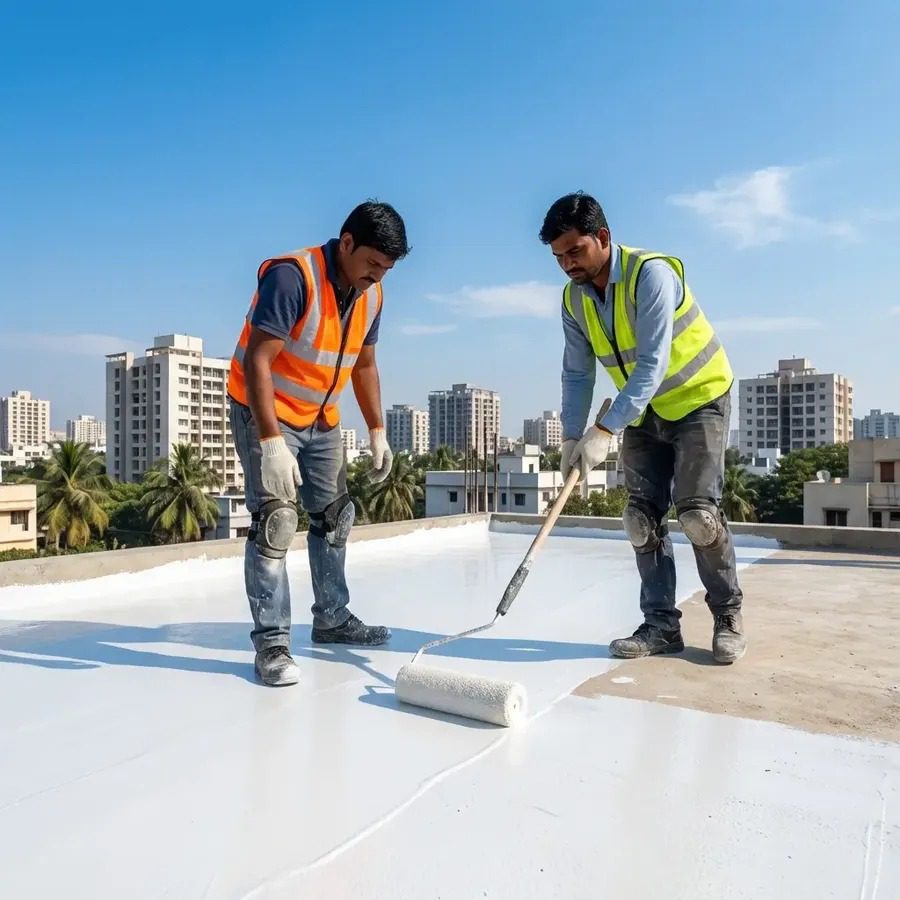
Roof and terrace areas deserve particular attention in properties exposed to heavy seasonal rainfall. Blocked drains, deteriorated coatings, defective joints and water entering through damaged details may contribute to leakage.
What should be inspected?
Look for visible signs of water entry on upper-floor ceilings, damp patches near roof-level walls, damage around parapets and areas where rainwater appears to remain on the surface.
Accessible roof drainage outlets and rainwater pipes should be kept clear of leaves and debris. Cracks, loose material and damaged waterproofing should be assessed rather than covered with a temporary coating.
Common problems
Typical maintenance concerns include:
Roof and terrace leakage.
Damp patches on ceilings and walls.
Deteriorated waterproofing.
Defects around pipe penetrations and roof junctions.
Blocked rainwater outlets.
Water entering through exposed external walls.
Not every damp patch comes from a failed roof. Plumbing leakage, bathroom waterproofing problems and other sources can produce similar symptoms.
When is professional waterproofing required?
Arrange an inspection when leakage recurs, dampness spreads or previous surface repairs fail to solve the problem.
The contractor should identify the likely source, evaluate the affected surface and explain the repair method. Where structural deterioration or extensive water damage is suspected, further specialist assessment may be necessary.
For targeted work, visit the DJ Maintenance Waterproofing Service in Kochi page.
2. Plumbing and Drainage Maintenance
Water supply and drainage systems require attention because even a small defect may lead to water wastage, dampness or disruption.
Common plumbing problems
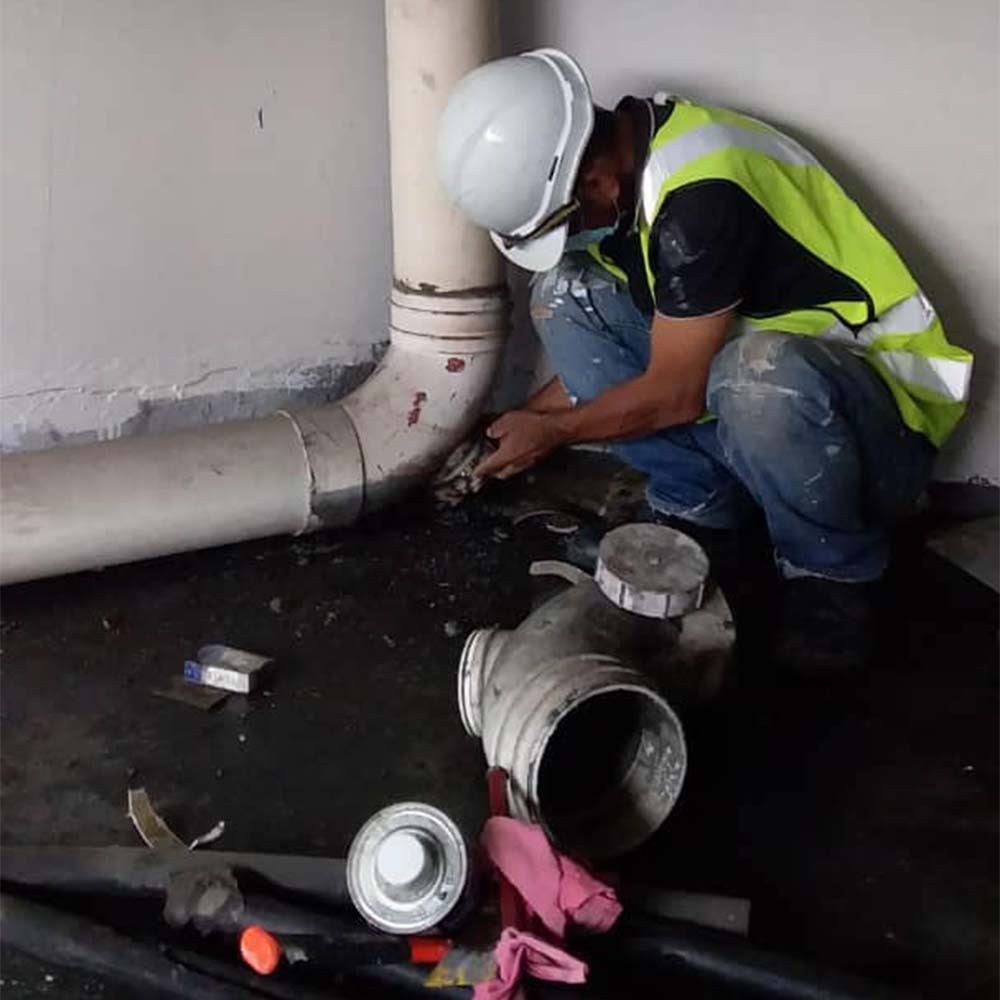
Building owners may encounter dripping taps, leaking pipes, blocked drains, faulty toilet fittings, water tank overflow and inconsistent water pressure.
Some faults are limited to an individual fixture, while others may involve concealed pipes or shared building infrastructure.
Preventive measures
Periodically inspect accessible plumbing connections, the areas underneath sinks, toilet supply connections and the surroundings of water storage tanks.
Respond promptly to recurring leaks and slow drainage. Avoid repeatedly using chemical drain cleaners as a substitute for identifying a persistent blockage.
For apartment buildings, establish whether a leaking pipe belongs to the individual unit or a common service. Shared drainage problems may require coordinated inspection.
When to arrange repairs
Professional plumbing inspection is appropriate when leakage continues, a drain repeatedly blocks, water pressure changes unexpectedly or the source of dampness is unclear.
Significant water leaks should be addressed promptly, especially if water is reaching ceilings, electrical areas or neighbouring properties.
DJ Maintenance’s dedicated Plumbing Service in Kochi page provides a route for discussing plumbing requirements.
3. Electrical Maintenance and Safety Checks
Electrical systems should be maintained with appropriate care because defective installations can create serious safety risks.
A routine visual observation is not a substitute for electrical testing or professional inspection. Electrical maintenance should be carried out by personnel with the appropriate qualifications and authorisations for the work.
Warning signs to recognise
Common concerns include damaged cables, cracked switch plates, unusual warmth around fittings, flickering lights, unexplained power interruptions and circuit breakers that repeatedly trip.
A building owner should not assume that a breaker trip can be resolved safely simply by resetting it.
Practical maintenance steps
Keep accessible electrical panels unobstructed. Note visible damage and recurring faults, and arrange appropriate professional inspection when warning signs appear.
Do not open electrical panels, bypass protective devices or handle wet electrical fittings. If water reaches electrical equipment, keep clear and arrange safe assistance.
Electrical installations should also be reviewed when renovations introduce additional appliances or alter the existing circuits.
For targeted assistance, visit the DJ Maintenance Electrical Service in Kochi page.
4. Painting and Surface Maintenance
Painted surfaces gradually show the effects of sunlight, dust, contact, moisture and normal wear. Interior and exterior surfaces may require different maintenance approaches.
Interior wall maintenance
Look for peeling paint, damaged plaster, cracks and stains that repeatedly return after cleaning or repainting.
A small superficial defect may need only local preparation and repainting. Recurring damp patches, extensive peeling or significant cracks require investigation before applying a fresh coating.
Exterior wall maintenance
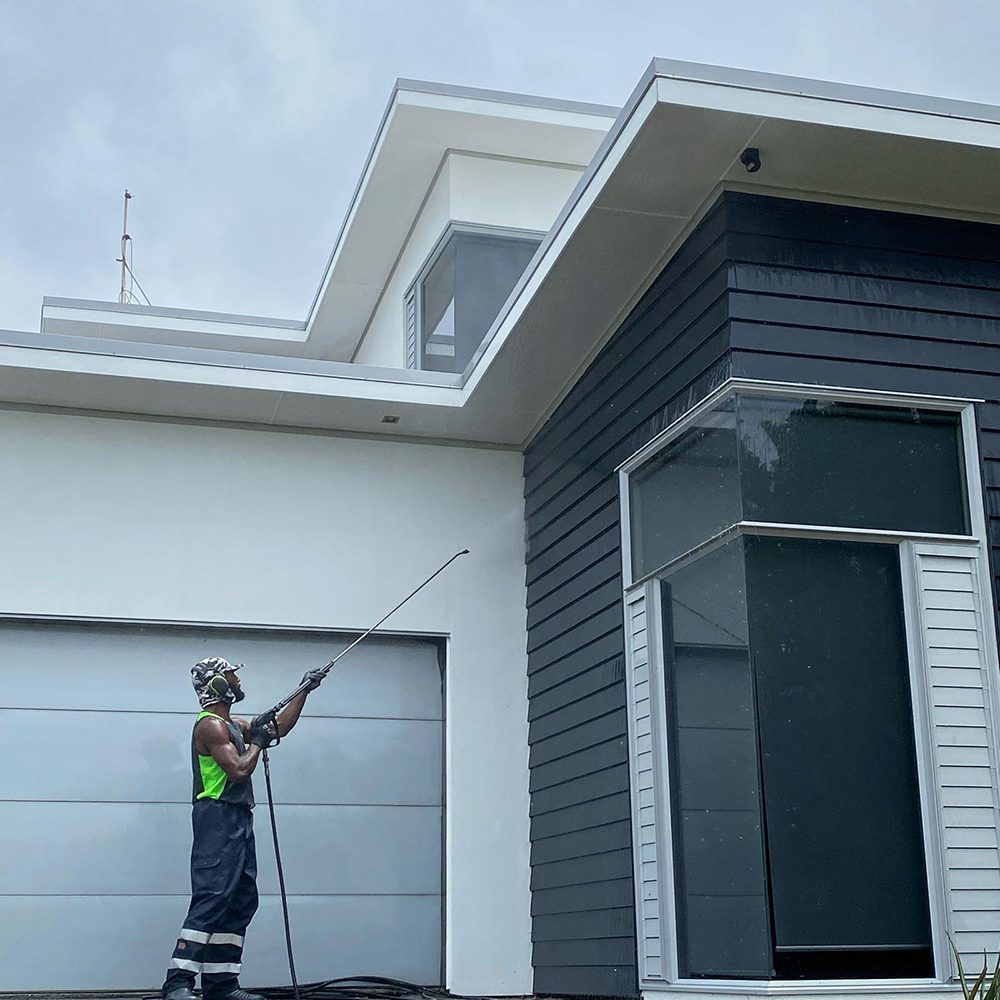
External surfaces are exposed to rain and weathering. Inspect visible cracks, deteriorated coatings and junctions where water might enter.
The correct repair depends on whether the problem is limited to the finish or involves moisture penetration, defective plaster or another underlying issue.
When should repainting be planned?
Repainting should be based on the condition of the surfaces, the performance of the existing coating and the needs of the building rather than a fixed period that applies to every property.
Before repainting, remove unsuitable loose paint, prepare the surface properly and address any underlying moisture issue.
For professional painting requirements, visit the DJ Maintenance Painting Service in Kochi page.
5. Tile, Flooring and Surface Repairs
Floor tiles, wall tiles and other finishes can deteriorate through impact, movement, moisture or regular use.
A damaged tile may be a simple replacement job, but recurring cracks or widespread loose tiles can indicate that the underlying surface or installation needs further investigation.
Common tile maintenance concerns
Watch for cracked tiles, loose edges, deteriorating grout, uneven surfaces and recurring leakage around bathrooms or terraces.
A hollow sound on its own does not prove a tile has failed, but movement, lifting, cracking or deterioration deserves attention.
Choosing the right repair
The repair depends on the tile, the affected area and the underlying cause. Replacing a single damaged tile may be appropriate where the surrounding installation is sound. Larger defects may require more extensive work.
In wet areas, determine whether the issue also involves waterproofing or plumbing. Regrouting alone is not a reliable solution for every leakage problem.
For relevant work, review the DJ Maintenance Tile Work in Kochi page.
6. Structural Defects, Cracks and Plaster Repairs
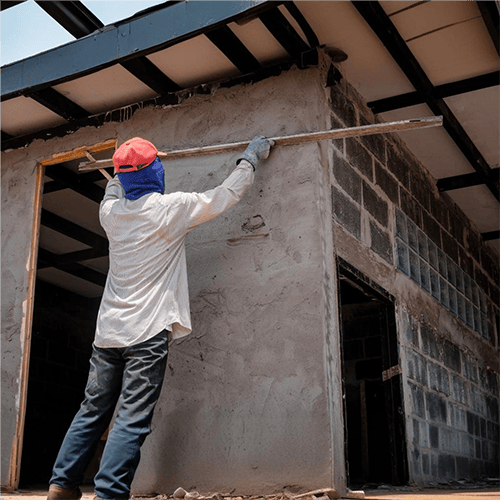
Cracks in walls and ceilings can have different causes. Some are associated with plaster shrinkage or minor surface movement, while others may indicate more serious movement or deterioration.
The correct response depends on the crack’s characteristics, location and progression.
What should property owners observe?
Record where the crack appears, whether it seems to be widening, and whether nearby doors or windows have begun sticking. Look for associated signs such as water ingress, displaced finishes or concrete deterioration.
These observations help communicate the problem to a suitable professional, but they are not sufficient to establish structural safety.
Why patching may not be enough
Filling and repainting a crack can improve appearance, but it will not resolve ongoing structural movement or another underlying cause.
Widespread, progressive or unusual cracks, significant concrete damage or signs of displacement require assessment by a suitably qualified building or structural professional before cosmetic repairs proceed.
Maintenance contractors should not claim to confirm structural safety solely from a superficial patch repair.
7. Exterior Areas, Balconies, Parking and Common Spaces
Building maintenance extends beyond the rooms inside a property. Exterior areas, balconies, parking spaces, walkways and other common facilities also need regular attention.
Balconies and terraces
Inspect accessible drainage points, visible surface defects and areas where water repeatedly collects. Do not drill through waterproofed surfaces or install equipment in a way that may damage the underlying protection.
Parking areas and walkways
Look for uneven or damaged surfaces, loose tiles, drainage obstructions and other hazards that could affect people using the area.
The appropriate repair depends on the construction, type of surface and expected loads.
Boundary walls and exterior finishes
Inspect visible deterioration, loose plaster, damaged protective coatings and signs of movement.
If significant displacement or structural concerns appear, obtain the appropriate assessment instead of treating the issue as ordinary cosmetic work.
Common areas in apartment buildings
Staircases, corridors and shared access routes should be maintained so that they remain suitable for their intended use.
Management teams should document maintenance issues and establish a clear process for reporting hazards and arranging repairs.
8. Building Maintenance Checklist for Kochi and Kerala Properties
A practical inspection checklist can help property owners organise maintenance without assuming that every building needs identical work.
The following schedule is a starting point. It should be adapted to the age, construction, occupancy, equipment and actual condition of the property.
Monthly observations
Look for new leaks beneath sinks and around accessible plumbing connections.
Note any unexplained damp patches or recurring water stains.
Check whether doors, windows, taps and other frequently used fittings operate normally.
Observe visible damage to common floors, handrails and access areas.
Record recurring electrical problems and arrange qualified help where needed.
Check for obvious drainage obstructions in accessible areas.
These observations are basic housekeeping and visual checks, not a substitute for formal safety inspections.
Before the monsoon
Check accessible roof drainage outlets and rainwater pipes.
Inspect visible defects around terraces, parapets and roof junctions.
Review previous leakage and dampness reports.
Arrange repairs to damaged exterior surfaces where required.
Inspect accessible plumbing connections and visible signs of water ingress.
Confirm that outdoor drainage routes are not obstructed.
The CPWD Maintenance Manual recommends periodic attention to roof drainage, leakage and other vulnerable components, with particular attention to pre-monsoon checks. The appropriate inspection frequency for an individual building should be based on its condition and maintenance requirements. See the CPWD Maintenance Manual.
Never access a slippery roof or touch potentially unsafe electrical equipment to perform these checks.
Twice-yearly or scheduled professional reviews
Depending on the building and its use, plan appropriate inspections of vulnerable surfaces, accessible services and previously repaired areas.
Keep a record of defects, photographs, repair dates and completed work. This can help determine whether an issue has returned and what further investigation may be needed.
Annual maintenance planning
At least annually, review the property’s maintenance history and decide which repairs, replacements and improvements need to be planned.
For buildings with specialised equipment, elevators, fire protection, pumps or other regulated systems, follow the relevant inspection and servicing requirements rather than treating the general checklist as sufficient.
9. Preventive Maintenance vs Emergency Repairs
Preventive maintenance is planned around inspections and known risks, while emergency repairs respond to faults that need immediate attention.
Preventive maintenance
Preventive work aims to identify deterioration before it disrupts the building. Examples may include clearing accessible drains, repairing a known leak, maintaining exterior surfaces and arranging appropriate service inspections.
It can help owners schedule work and prioritise known defects.
Corrective maintenance
Corrective maintenance addresses a defect after it has been identified. Examples include repairing a leaking tap, replacing a damaged tile or restoring a defective wall finish.
The appropriate repair depends on the underlying issue.
Emergency maintenance
Certain problems need urgent action, including significant water leakage, active electrical hazards, falling material or suspected structural instability.
Keep people away from the affected area and contact the appropriate professional or emergency service. Do not attempt unsafe repairs simply to avoid disruption.
A maintenance plan should make it clear how urgent problems are reported, who authorises work and how the affected area is kept safe.
10. How Much Do Building Maintenance Services Cost in Kerala?
Building maintenance costs depend on the property size, type of defect, accessibility, materials, labour and whether the work is routine or requires specialist assessment.
A minor tap repair is different from roof waterproofing, concrete restoration or a large exterior painting project. For that reason, a single generic maintenance price cannot accurately describe every job.
Before approving a quotation, clarify:
The areas and defects included in the work.
Whether an inspection or visit fee applies.
The proposed repair method and materials.
Whether removal, access equipment or surface preparation is included.
Whether finishing and reinstatement work is included.
How additional defects discovered during the work will be approved.
The schedule and any access requirements.
The payment terms and any written warranty or service conditions.
For larger projects, request a written quotation based on an inspection. Compare the scope and materials as well as the total price.
If the problem involves suspected structural damage, significant leakage or an unsafe electrical installation, ensure that the appropriate professional assessment is included before ordinary repair work is authorised.
DJ Maintenance’s existing building maintenance page describes a range of repair and maintenance services. Contact the business to discuss the property, confirm the relevant service coverage and request a quotation for the work required.
11. How to Choose Building Maintenance Contractors in Kochi
Choosing a contractor is easier when the property owner has a clear understanding of the problem, the expected outcome and the responsibilities involved.
Check relevant experience
Ask whether the contractor undertakes the type of work you need, such as plumbing repairs, waterproofing, painting, tile repair or general property maintenance.
Work requiring specialist technical assessment should be assigned to suitably qualified professionals.
Request an inspection and clear scope
The contractor should identify the reported symptoms, explain what has been inspected and outline the proposed repair.
For uncertain or complicated problems, ask whether additional specialist assessment is required before a final scope can be confirmed.
Compare quotations fairly
Review the materials, labour, preparation, exclusions and completion requirements in each quotation. Clarify who is responsible for disposal, reinstatement and protecting nearby property.
A lower initial quotation is not necessarily better if it leaves necessary repairs outside the agreed scope.
Keep maintenance records
Maintain a simple record of inspections, photographs, quotations, completed repairs and relevant product information.
These records can help identify recurring faults, support budget planning and clarify what was done previously.
Clarify location and availability
DJ Maintenance has a building maintenance service page focused on Kochi and describes residential and commercial maintenance work.
If the property is elsewhere in Kerala, confirm that the specific location and required service are covered before arranging an inspection. Do not assume that every statewide location is automatically included.
Visit the DJ Maintenance Building Maintenance Services page to discuss the scope and request further information.
Frequently Asked Questions About Building Maintenance Services in Kerala
1. What do building maintenance services include?
Depending on the service agreement, building maintenance may include routine inspections, minor repairs, plumbing and drainage maintenance, painting, waterproofing, tile repairs, exterior upkeep and other building work. Specialist electrical or structural work may require appropriately qualified professionals.
2. Why is preventive building maintenance important in Kerala?
Preventive maintenance can help property owners identify leaks, drainage problems, surface deterioration and other defects before they develop further. Roof drainage, external surfaces and moisture-related issues deserve particular attention in properties exposed to seasonal heavy rainfall.
3. How often should a building be inspected?
The appropriate frequency depends on the building’s condition, age, usage and installed systems. Regular visual observations can be combined with scheduled professional inspections and any mandatory servicing or testing requirements.
4. What is included in apartment building maintenance?
It may include the inspection and upkeep of shared areas, external surfaces, drainage, plumbing and other common infrastructure. The precise responsibility of an apartment association, individual owner and maintenance contractor should be clarified before work begins.
5. How can I prevent water leakage in a building?
Maintain accessible drainage outlets, address visible defects and arrange appropriate inspection when leakage occurs. The solution should address the source, which may involve roofing, waterproofing, plumbing or another building component.
6. How much do building maintenance services cost in Kochi?
The price depends on the property, type of repair, materials, labour, accessibility and any additional assessment required. A written quotation based on the actual work is more useful than a generic price for all maintenance jobs.
7. Are building maintenance services available throughout Kerala?
Coverage varies by provider and service. DJ Maintenance has a building maintenance page focused on Kochi. Contact the business to confirm whether your specific location elsewhere in Kerala is covered.
8. When should I arrange emergency building repairs?
Arrange urgent assistance for significant active leaks, unsafe electrical conditions, falling building material or suspected structural instability. Keep occupants away from the affected area and use appropriate emergency or specialist services when required.
9. Can one contractor handle plumbing, painting, waterproofing and tile repairs?
A property maintenance provider may coordinate several types of work, but the actual scope depends on its team, expertise and authorisations. Confirm which services are provided directly and whether specialist contractors are required.
10. How do I prepare a building maintenance plan?
Start by recording the property’s condition, known defects, service requirements and maintenance history. Prioritise safety concerns and active deterioration, plan routine inspections and obtain quotations for identified work. Review the plan periodically as the building and its requirements change.
Conclusion: Keep Your Property in Good Condition with Planned Maintenance
Building maintenance is an ongoing responsibility rather than a task that needs attention only when something breaks. Regular observations, timely repairs and a practical maintenance plan can help property owners manage defects, protect building finishes and keep facilities suitable for their intended use.
For homes, apartments and commercial premises in Kochi and elsewhere in Kerala, the most useful approach is to assess actual building conditions, prioritise safety, address the source of recurring problems and define a clear scope for every repair.
Whether you require plumbing maintenance, waterproofing, painting, tile repairs, exterior upkeep or general building repairs, choose a service provider that explains the work and confirms the coverage and quotation before proceeding.
Visit the DJ Maintenance Building Maintenance Services in Kochi page to discuss your property’s requirements. Share the location, building type and known issues to establish whether the necessary work can be undertaken.
DJ Maintenance | Building Maintenance Services in Kochi
Plan inspections, address defects at their source and organise building repairs according to the condition and needs of your property.
Further technical reading